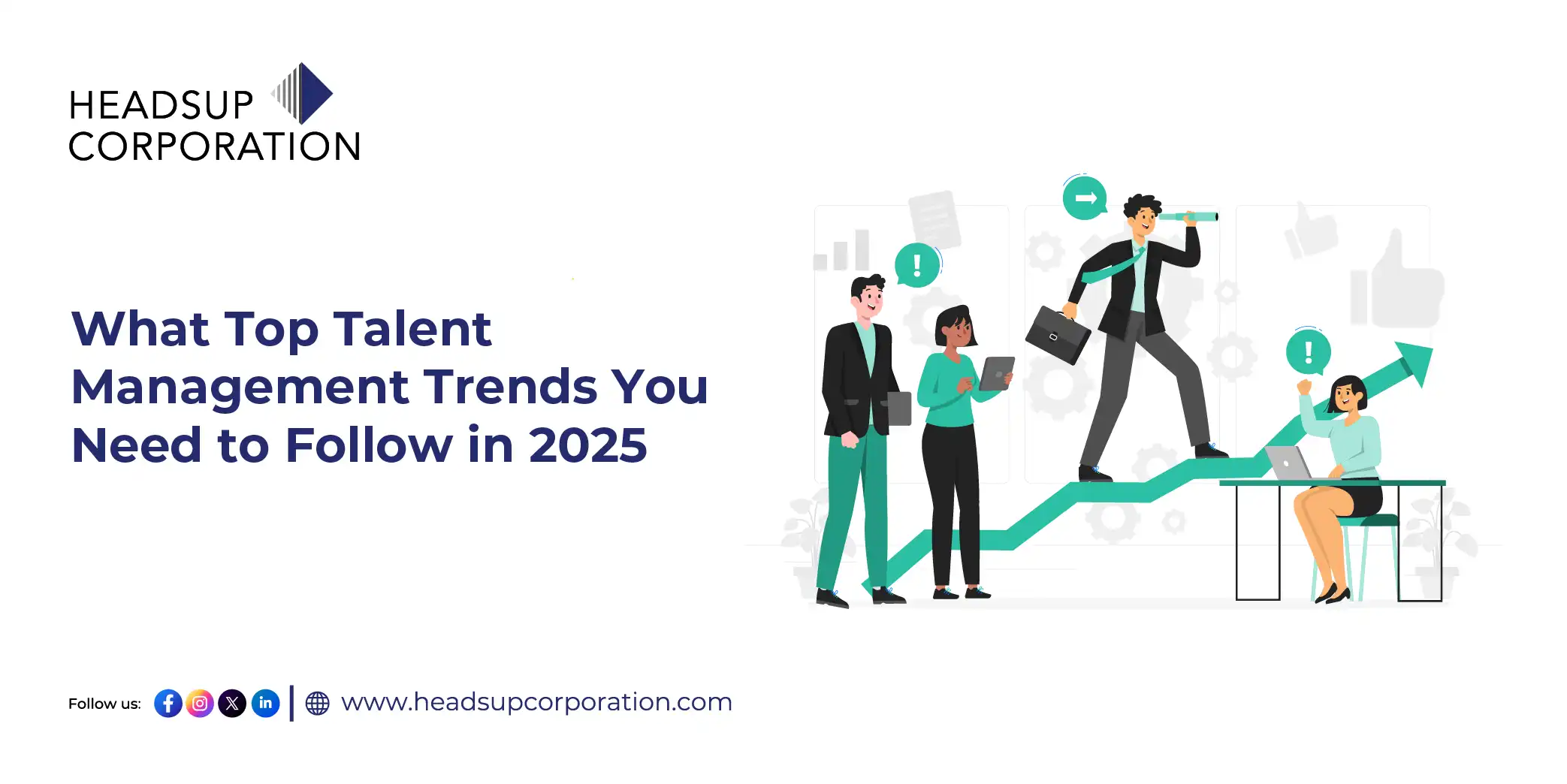
What Top Talent Management Trends You Need to Follow in 2025
Most organisations have already figured out that hiring good people isn’t the hard part anymore. Keeping them engaged, relevant, and growing is. Talent Management Trends in 2025 feels closer to managing traffic at a busy junction; things keep moving, priorities change quickly, and stopping for too long usually causes more problems than it solves. What’s changed over the last year is how organisations think about talent altogether. There’s less talk about “best practices” and more about what actually works in real teams, under real pressure. The trends below reflect that shift.
AI in HR: Less Hype, More Quiet Adoption
AI is no longer an alien concept in HR, but it’s also not the centrepiece many predicted it would be. Adoption has climbed steadily, with recent figures suggesting that around 41% of HR teams are now using some form of AI in their workflows. AI is being used where volume and repetition are hardest to manage, screening resumes, scheduling interviews, pulling basic workforce insights, or recommending learning content.
For many HR teams, this has simply made space to focus on work that needs human judgment, like performance conversations or career planning. That said, there’s still caution. Leaders seem aware that if AI starts making decisions rather than supporting them, trust erodes quickly. When used thoughtfully, it helps, but when used blindly, it creates distance.
Skills Are Finally Taking Priority Over Titles
One noticeable shift in 2025 is how often organisations talk about skills instead of roles. Job titles are starting to feel outdated almost as soon as they’re written. Skills, on the other hand, give teams more flexibility to adapt as work changes. This move toward skills-based talent strategies appears to be driven by two realities. First, skill shortages haven’t gone away. Second, many organisations are realising they already have capable people internally who just haven’t been given the chance to move laterally or grow into new areas. Focusing on skills opens those doors. The challenge, of course, is keeping these frameworks practical. When skills models become too complex or detached from day-to-day work, they tend to be ignored.
Employee Experience Is Becoming More Personal (and More Honest)
Generic engagement initiatives are losing their appeal. Employees now expect experiences that reflect where they are in their career, not where an HR policy assumes they should be. Learning paths, feedback mechanisms, and growth opportunities are becoming more tailored, often supported by data.
But data alone isn’t enough. While analytics help identify patterns, who’s disengaging, who’s progressing, and who’s stagnating, the real progress seems to happen when managers actually act on those insights. The organisations doing this well are combining numbers with conversations, not replacing one with the other.
Flexibility Has Shifted From Benefit to Baseline
Hybrid and remote work aren’t debated as much anymore; they’re negotiated. Most employees now assume some level of flexibility, and organisations are adjusting accordingly. What’s changed in 2025 is the focus. Instead of asking where people work, leaders are paying more attention to how teams collaborate, communicate, and stay aligned.
Flexibility works when expectations are clear, and leadership is consistent. Without that, it can quickly feel uneven or unfair. Many organisations are now investing time in helping managers lead distributed teams more effectively, rather than treating flexibility as a simple policy decision.
Leadership and Human Skills Are Under the Spotlight Again
As systems and tools get smarter, the gaps that stand out most tend to be human. Communication, empathy, decision-making under pressure, and adaptability are becoming harder to ignore, especially in fast-moving organisations. There’s a growing recognition that leadership development can’t just be about frameworks and theory. Coaching, real feedback, and behavioural change matter more than ever. Teams are looking for leaders who can navigate uncertainty without defaulting to control.
How Headsup Supports Talent Management in 2025
Headsup works with organisations that want structure without rigidity. Talent analytics are used to guide decisions, not dictate them. Skills-based frameworks are built to reflect real work, not ideal scenarios. Leadership development focuses on how leaders actually show up, especially when things get messy. And hybrid work models are designed to support consistency, fairness, and growth without forcing one-size-fits-all solutions. For Headsup Corporation, the goal isn’t to chase trends, but to make them usable.